TRANSCRANIAL ELECTRICAL STIMULATION
THREE TIMES MORE EFFECTIVE THAN CONVENTIONAL TREATMENT
At Prosense, we lead in employing neuromodulation to treat neurological dysfunctions. Our professionals utilize Transcranial Electrical Stimulation as an effective alternative to treat various conditions, such as stroke, traumatic brain injuries, spinal cord injury, and cerebral palsy, among others.
Our highly qualified team, specialized in neuromodulation, operates with state-of-the-art equipment. We apply non-invasive brain stimulation techniques, integrating them with intensive physiotherapy and therapeutic garments tailored to each pathology. This approach maximizes recovery and significantly improves the patient’s quality of life.
WHAT IS TRANSCRANIAL DIRECT CURRENT STIMULATION (tDCS)?
Currently, Transcranial Direct Current Stimulation (tDCS) stands as the most modern and efficient tool in treating the aftermath of neurological injuries. Brain stimulation, conducted through tDCS, produces long-lasting effects on brain function, paving the way for therapeutic applications in both acute and chronic neurological diseases. The potential of transcranial stimulation in the rehabilitation of these patients has garnered interest, especially since neurological injuries are the leading causes of permanent disability in the country, and conventional treatment outcomes often fall short of patient expectations.
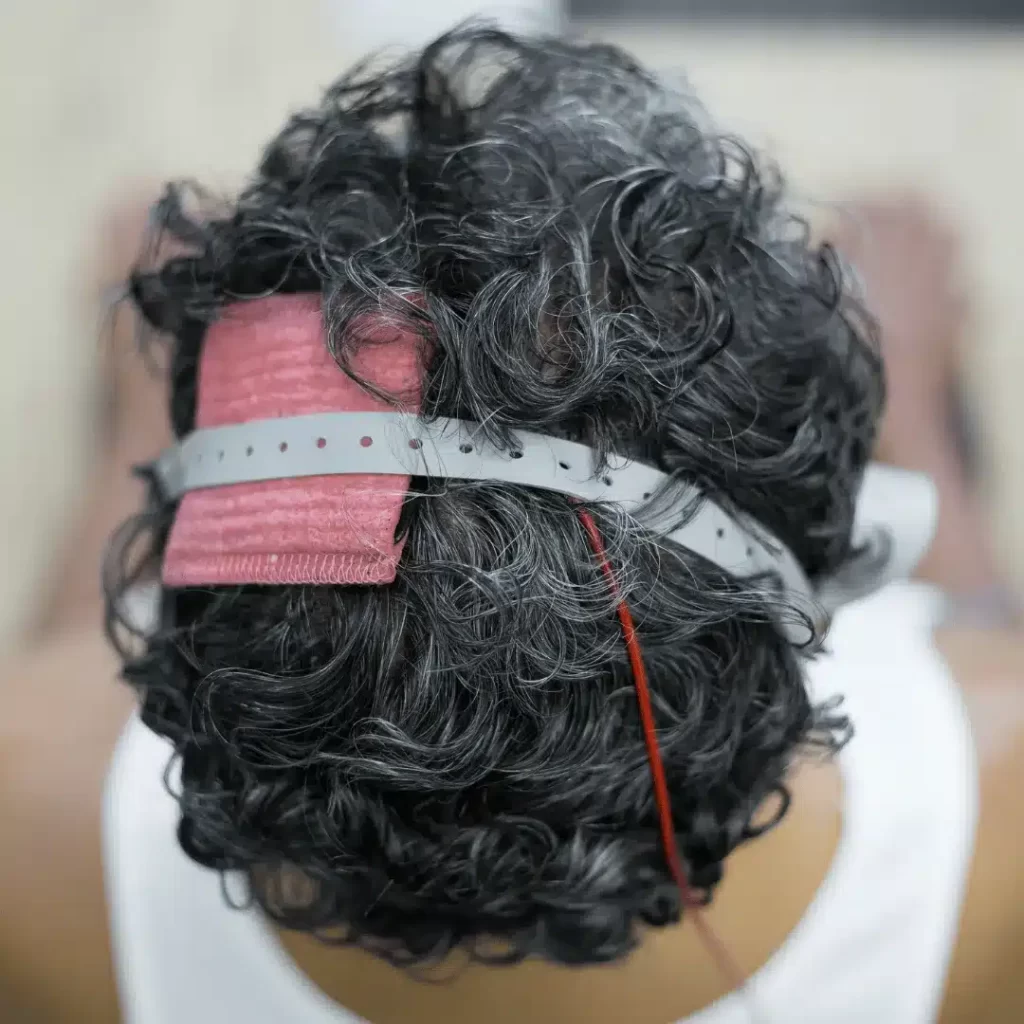
Thus, it can be asserted that tDCS can promote the functional recovery of lost movements, taking into account the limitations of each case. It is a non-invasive and painless technique that, through the application of a low-intensity continuous current (1-2mA) over the skull, is capable of modulating brain activity and influencing the performance of various central nervous system functions. Combined with intensive and established rehabilitation treatments, the application of tDCS can lead to more prominent or sustained performance improvements.
HOW DOES tDCS WORK?
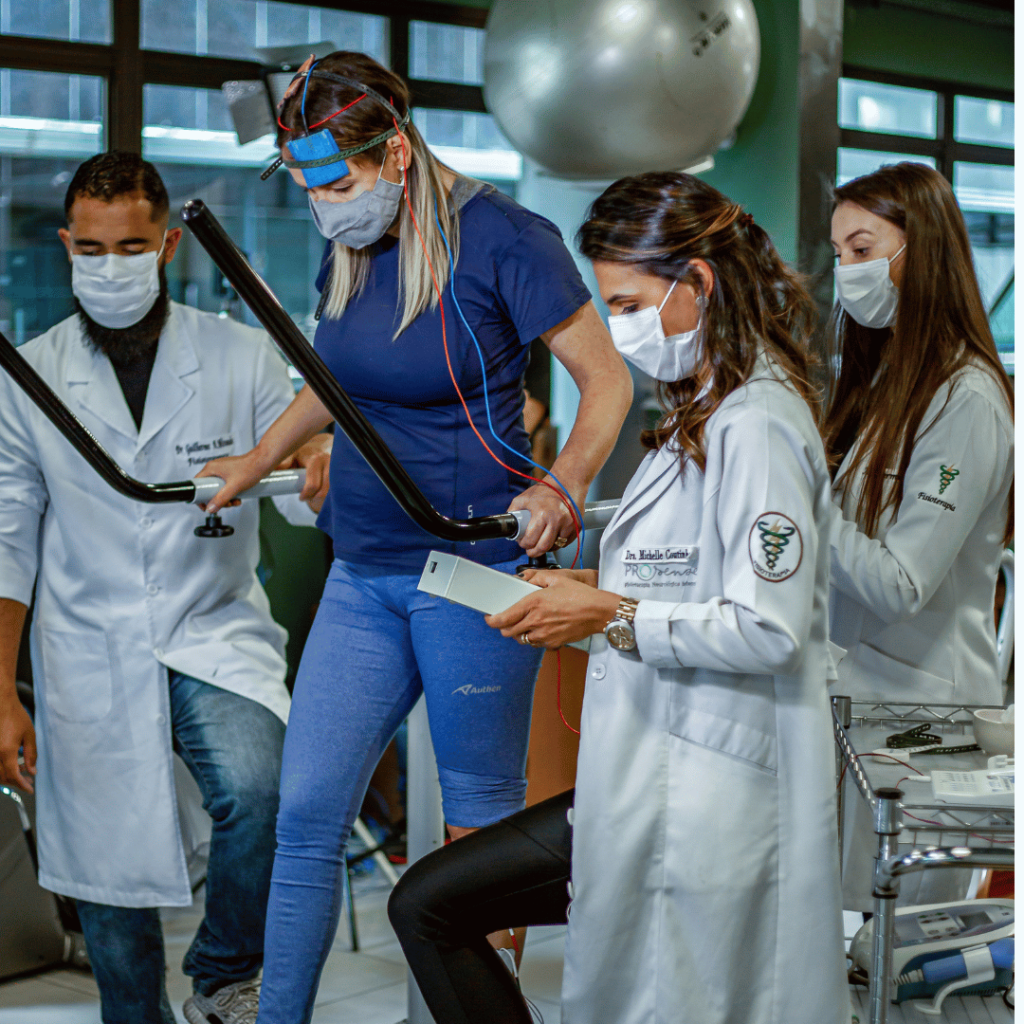
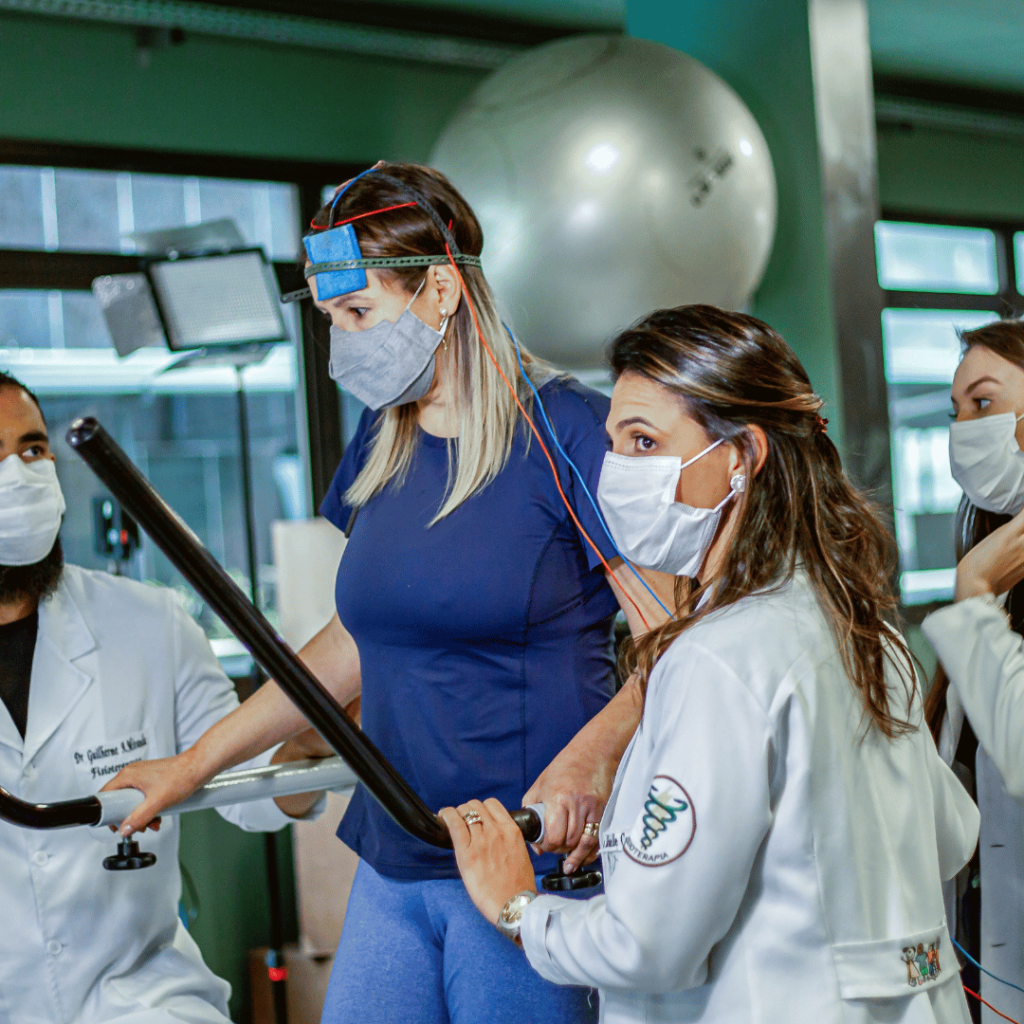
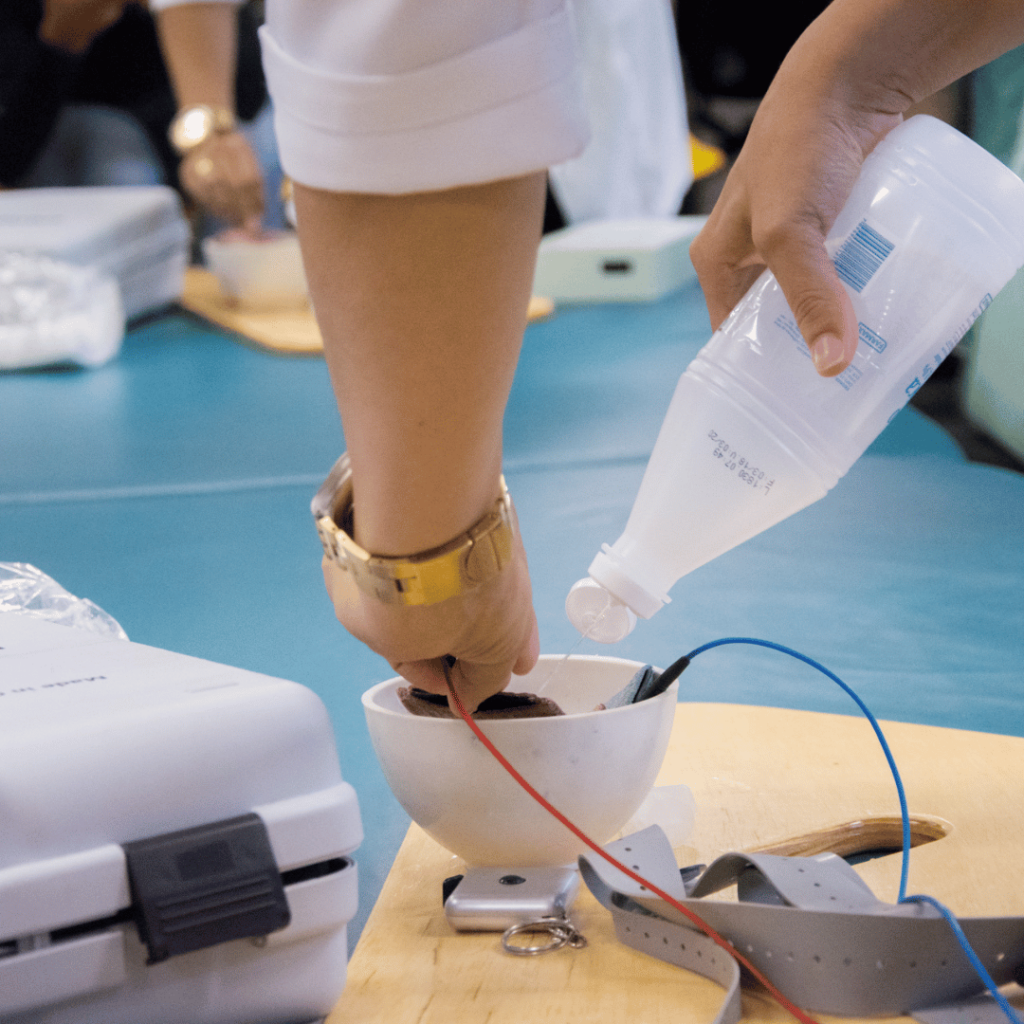
The advanced technology of Transcranial Electrical Stimulation is widely used in Germany and the United Kingdom to treat various neurological conditions. This technique works by regulating the affected neuronal area, either inhibiting or stimulating local neurotransmitters responsible for specific functions or behaviors.
Here are the steps involved in the treatment with Transcranial Electrical Stimulation:
-Application of Electrical Current: Transcranial Electrical Stimulation involves the application of a continuous low-intensity electrical current over the head, capable of inducing changes in brain excitability.
-Modulation of Brain Activity: This technique can increase or decrease brain activity, depending on the location and positioning of the electrodes on the head, which is tailored to the patient’s specific dysfunction.
-Clinical Applications: Transcranial Electrical Stimulation has shown efficacy in treating various conditions, such as stroke, traumatic brain injury, spinal cord injury, cerebral palsy, among other diseases and disorders.
The use of this innovative approach provides a valuable alternative in the treatment of neurological dysfunctions, yielding significant results in regulating brain activity and improving patients’ clinical conditions.
You can rely on the following applications of tDCS
POST-STROKE REHABILITATION
SPINAL CORD INJURY
HYPOTONIA
PARKINSON'S DISEASE
NEUROPATHIC PAIN
TRAUMATIC BRAIN INJURY
AUTISM
ATAXIA
ATHETOSIS
CEREBRAL PALSY
NEUROMODULAÇÃO
Did you know that treatment with Transcranial Electrical Stimulation can be up to three times more effective than conventional treatment?
tDCS represents an innovative and promising approach, offering a non-invasive way to modulate brain activity to potentially improve various health conditions.
This technology accelerates the treatment of injuries, disorders, and diseases, besides being a safe method, without the use of anesthesia and non-invasive. The treatment is tailored individually, and there is no need to stop medication during the process.
Transcranial magnetic or electrical stimulation techniques, both non-invasive approaches, are forms of applying neuromodulation. When integrated with neurofunctional rehabilitation (Physical Therapy, Speech Therapy, and Occupational Therapy), these techniques enhance and accelerate recovery, improving quality of life and allowing patients to achieve independence.
TECHNOLOGY AND INNOVATION
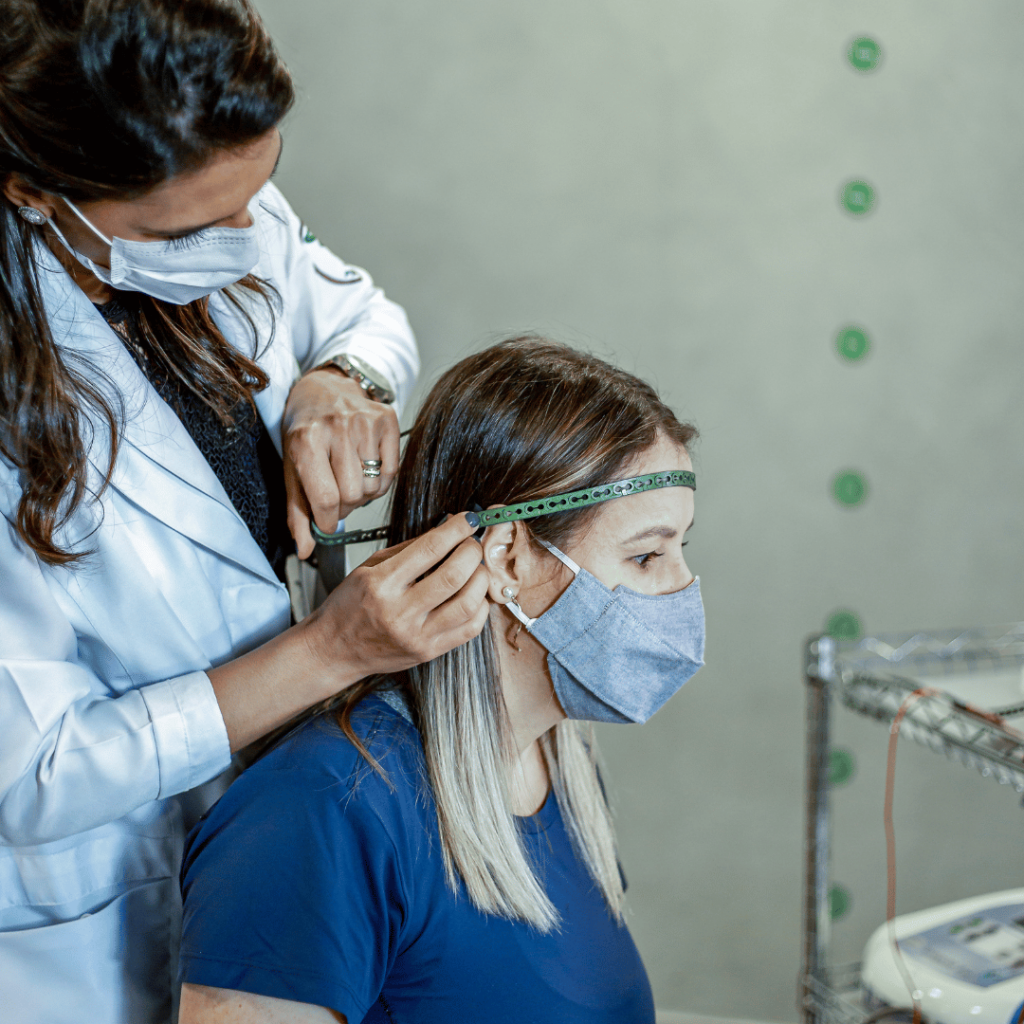
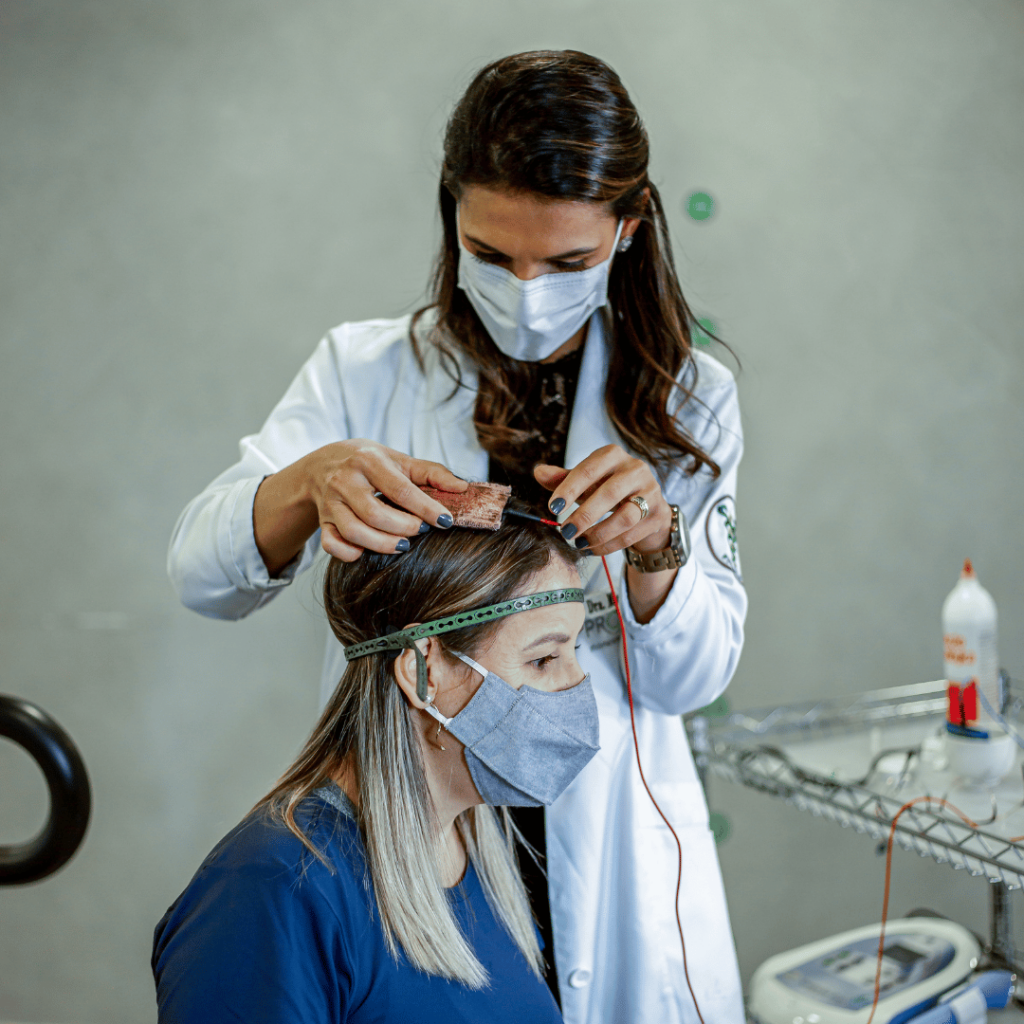
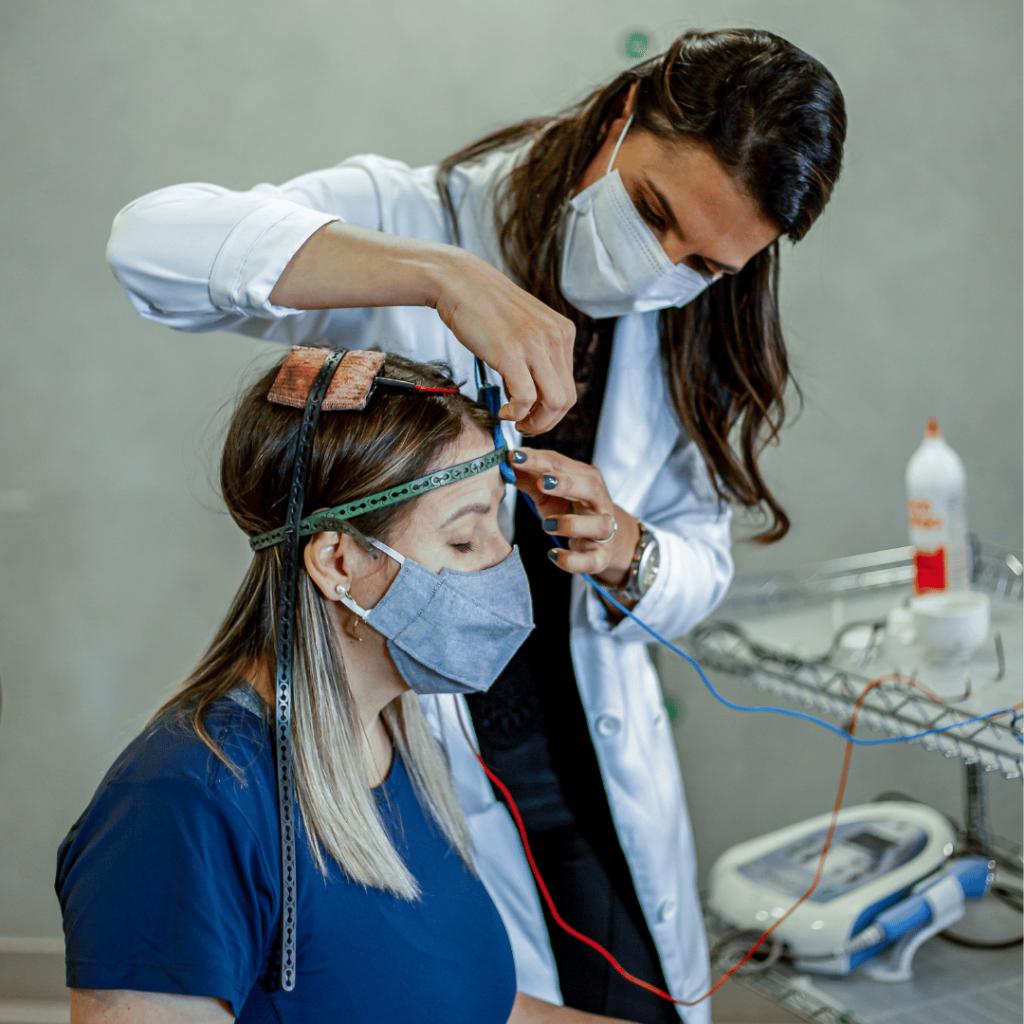
Your health and well-being are priorities for all of us. At Clínica Prosense, we share this concern and are committed to offering innovative treatments that truly make a difference. We believe that combining advanced technologies with traditional therapies can transform treatment efficacy. This integration allows for more personalized and effective approaches, catering to each patient’s specific needs and enhancing outcomes.
- Non-Invasive Neuromodulation: Through Transcranial Magnetic Stimulation (TMS) and Transcranial Direct Current Stimulation (tDCS), we are revolutionizing the treatment of neurological conditions. These techniques stimulate specific areas of the brain, promoting significant improvements in disorders such as depression, anxiety, chronic pain, and other neurological conditions.
- Virtual Reality (VR): Virtual Reality is a powerful tool that creates immersive and interactive environments. We utilize VR to aid in patients’ motor and cognitive development, making the treatment more engaging and effective. This encourages active patient participation and promotes faster and more lasting results.
- Botulinum Toxin: We use botulinum toxin to reduce muscle spasticity in patients with neurological conditions such as cerebral palsy, multiple sclerosis, and dystonia. This treatment improves mobility and quality of life, enabling patients to perform daily activities more easily.
- Other Advanced Technologies: In addition to the technologies mentioned, we have various other equipment that you can check out by clicking here.
Our goal is to offer the most modern and effective treatments to our patients, ensuring they have the best chance of reaching their full potential.